

The next AI mistake is treating strategic cognition like software.
Most AI rollouts are built for convenience, not continuity; access, not ownership; speed, not governance. EPMAi exists because enterprises need a different architecture before the intelligence layer becomes mission-critical.
Rented cognition as strategic dependency
The risk is not only cost. It is dependence on an intelligence environment you do not fully govern. When the model changes, when memory behavior shifts, when retention rules evolve, or when portability is limited, your organization inherits those changes whether they fit your operating reality or not. This is manageable when AI is peripheral. It is much harder when AI is involved in executive analysis, strategic planning, internal reporting, customer intelligence, or institutional memory.
When Your AI Works for Them
Vendor-managed systems lock you into dependency. EPMAi shifts control back to your organization where it belongs.

Loss of Operational Control
Vendor systems make decisions about your intelligence layer. You're dependent on their roadmap, not yours.
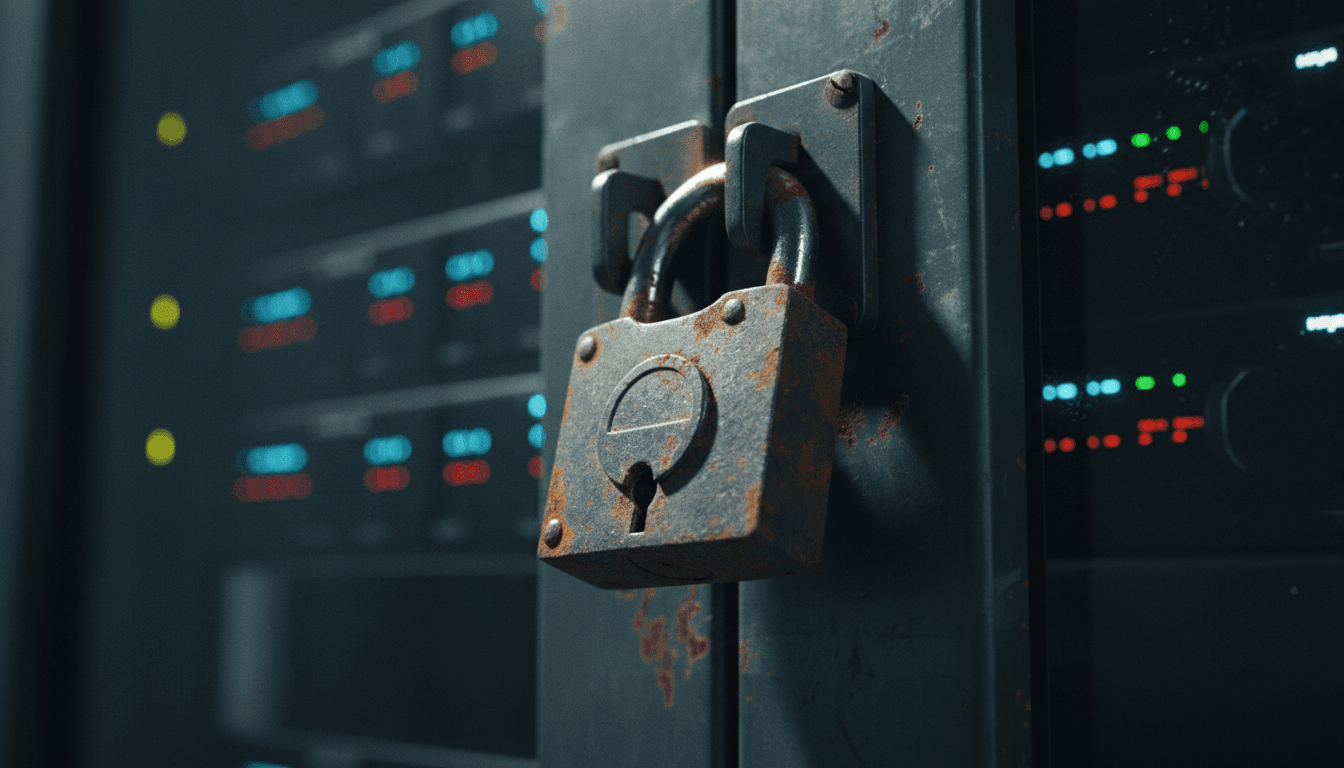
Continuity Risk and Vendor Lock-in
If your vendor changes pricing, sunsuns a service, or pivots away from your needs, your intelligence workflows break.

Invisible Compliance and Liability Gaps
Third-party systems don't align with your regulatory needs. Responsibility becomes unclear when something fails.

No Ownership of Your Intelligence Assets
Models, insights, and institutional knowledge stay locked in vendor systems. You can't own, evolve, or protect what your AI learns.

Dependency Erodes Strategic Advantage
Rented cognition means you're never ahead. Your competitors use the same tools, same models, same insights.

EPMAi's Sovereignty Path
Fully owned AI that stays within your walls. Your models, your control, your competitive edge persists and grows.
Rented cognition as strategic dependency
The risk is not only cost. It is dependence on an intelligence environment you do not fully govern. When the model changes, when memory behavior shifts, when retention rules evolve, or when portability is limited, your organization inherits those changes whether they fit your operating reality or not. This is manageable when AI is peripheral. It is much harder when AI is involved in executive analysis, strategic planning, internal reporting, customer intelligence, or institutional memory.

Value capture and provenance
If AI is helping create recommendations, reports, strategies, inventions, workflows, or intellectual property, then provenance matters. The company must know what was created, where it lived, how it was influenced, and under whose governance it was produced. EPMAi begins from a simple principle: the organization should own the value created inside its intelligence environment unless it has consciously chosen otherwise.

Continuity is now an operating issue
In the old software model, upgrades were usually framed as progress. In the new AI model, silent change can disrupt behavior, memory, tone, context, and trust. Once an AI system becomes part of ongoing work, model churn stops being a minor product issue and becomes a continuity problem. EPMAi treats continuity as an operating design question from the beginning, not as an afterthought.

The EPMAi proposition
We help organizations reclaim the intelligence layer. That means identifying what can remain commodity AI, what should be brought inside the governance boundary, and how to build resident AI partners that can persist, learn responsibly, and support real work without surrendering institutional control.