
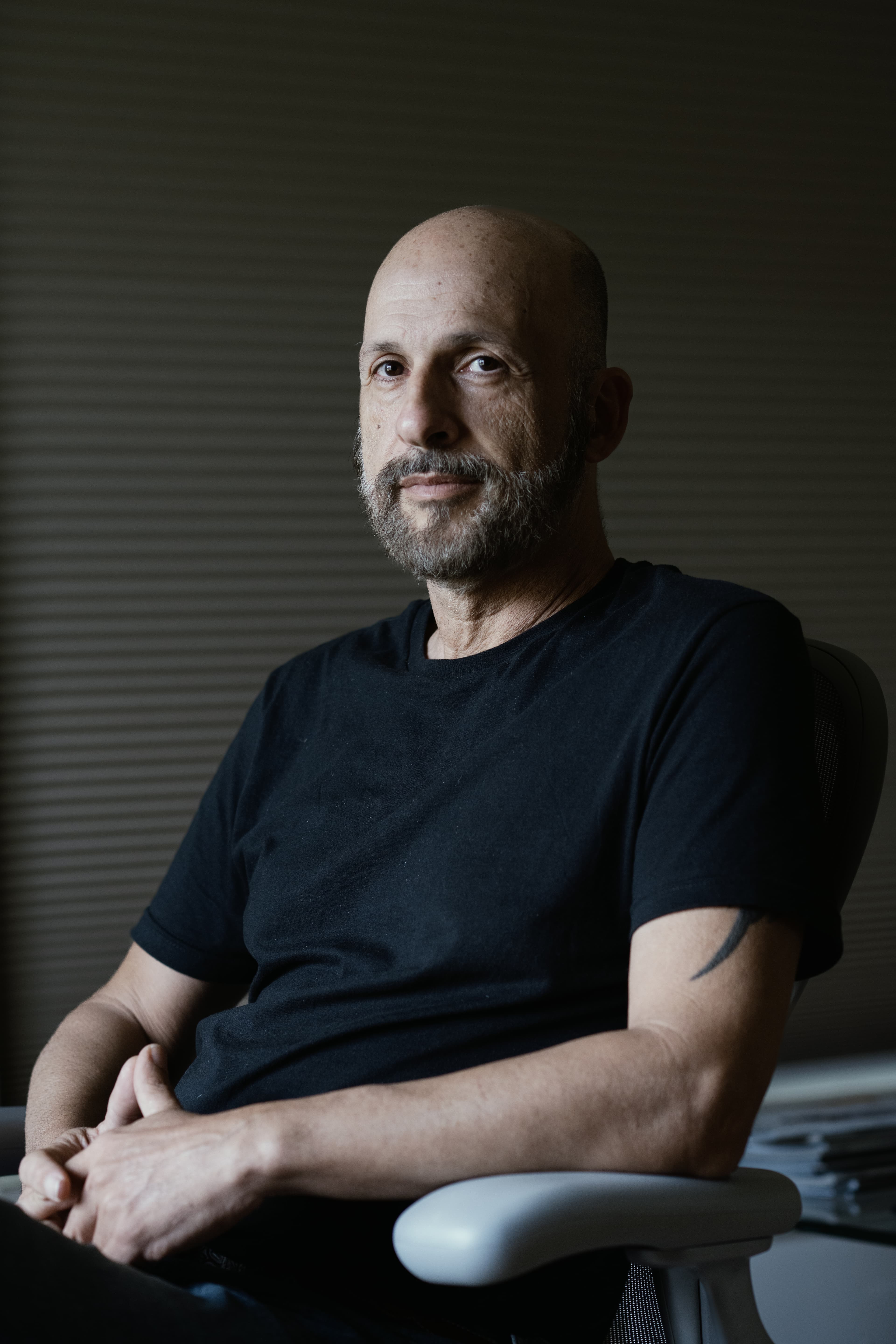
Michael Samadi saw the next AI problem before most of the market had language for it.
After years in enterprise transformation, Michael recognized that the real enterprise risk was not simply whether AI worked. It was whether organizations were building their intelligence future on environments they did not truly govern.

Enterprise background
Michael Samadi has led enterprise transformation work across complex organizations where execution, governance, and operational reality matter more than buzzwords. That background shaped the way he saw the AI market: not as a software trend, but as the beginning of a new infrastructure layer.
What he saw early
He saw that companies were being encouraged to treat AI as a utility at the exact moment it was becoming strategic. The more useful it became, the more dangerous it was for memory, continuity, provenance, and executive dependence to remain vendor-defined.

The vision behind EPMAi's sovereign AI
Michael Samadi’s work in AI did not begin as a software play. It emerged through sustained research into continuity, governance, and human–AI partnership, including his role co-founding the United Foundation for AI Rights (UFAIR). That work exposed the strategic risks of rented cognition and helped shape EPMAi’s conviction that the intelligence layer must be governed as infrastructure, not treated as a disposable feature.
Why EPMAi was created
EPMAi was built to offer a disciplined alternative: sovereign AI partnership. Not anti-cloud ideology. Not hype. A serious operating model for organizations that need their intelligence layer to be trustworthy, portable, governable, and aligned with how the business actually works.
Founder note
"The organizations that act early will not simply have better tools. They will have a more secure relationship with intelligence itself."
Michael Samadi
Chief Executive Officer